Sharp Rise in Rental Prices in Deir Ezzor Causes Housing Crisis
This post is also available in:  العربية
Amid the difficult economic conditions in the city of Deir Ezzor, many families are suffering from a severe housing crisis due to a significant and unprecedented rise in rental prices, according to reports monitored by the DeirEzzor24 network.
Our correspondent reported that this crisis has made finding suitable housing extremely difficult, especially in populated and livable areas.
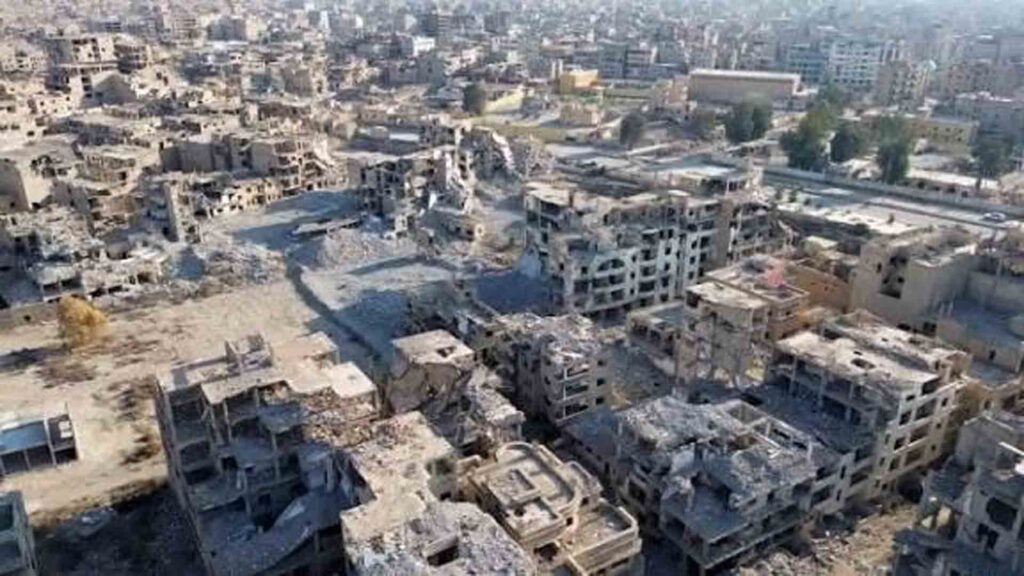
He added that the sharp increase in rental prices is not arbitrary, but rather the result of several combined factors ,most notably, the low supply versus increasing demand, the destruction of a large portion of the residential infrastructure over recent years, and the lack of oversight in the real estate market.
Complaints from residents indicate that rental prices in some neighborhoods have exceeded 2 million Syrian pounds per month, while even modest homes are not available for less than 600,000 pounds — an amount that exceeds the capacity of most families, who are already struggling with extremely low incomes and the absence of any real government support in this area. Making matters worse, real estate offices now charge tenants a commission equivalent to one full month’s rent for any lease contract handled through them, placing an additional financial burden on families already barely able to afford rent.
In an interview conducted by “DeirEzzor24” with one of the city’s residents, Abu Ali, he expressed his frustration with the situation, saying:
“The situation has become unbearable ,house rents are now outrageous.”
He added:
“In some populated areas, rent has reached 2 million a month. And if you want to go through a real estate office, you have to pay a full month’s rent as commission, that alone is a massive amount no one can handle.”
He noted that his family was forced to move to a home far from the city center and in poor housing conditions to save on expenses. However, even those areas are becoming unaffordable due to soaring prices and widespread exploitation.
The problem has worsened with the continued return of displaced persons, adding more pressure to the real estate market. Meanwhile, the destroyed homes, which constitute a large portion of the housing units — remain out of service due to the lack of effective government plans for rehabilitation or alternative housing solutions.