Water crisis in the northern countryside of Deir Ezzor
This post is also available in:  العربية
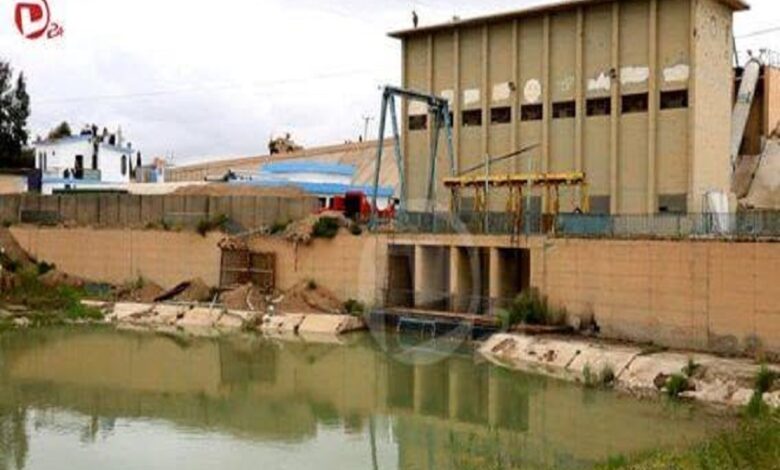
The crisis of maintaining drinking water continues in the town of Al-Sowar and the village of Ghariba Al-Sharqiya in the northern countryside of Deir Ezzor, in light of the decline in the operational capacity of the Al-Sowar water station, which used to provide water to more than 45 thousand people, before its capacity to meet the needs of the population decreased to only about 20 thousand people.
Ahmed Al Kamal, Director of the Sowar Water Unit, said that the village of Ghariba Al Sharqiya has been suffering from water outages since 2011, forcing residents to buy water through tanks to meet their daily needs, in light of the lack of regular supplies.
Al-Kamal explained that the crisis is due to several reasons, most notably illegal encroachments on main water lines, and the use by some farmers of large diameter hoses to irrigate agricultural lands, which affects the water reaching its designated destinations, in addition to the lack of tanks and their failure to operate as required.
As part of efforts to address the problem, Al Kamal pointed out that there is a technical study to rehabilitate the Sowar water station, which has been under review by the United Nations Children’s Fund (UNICEF) for eight months, amid hopes that the restoration work will contribute to improving the state of water supplies and expanding the scope of beneficiaries.
He added that coordination is underway with the local community to remove encroachments on water lines and reduce violations, ensuring that water reaches designated reservoirs and improving its distribution to residents.
Rehabilitating the station and controlling violations on the network remain among the most prominent steps required to alleviate the suffering of the people, especially in the eastern village of Ghariba, which has been facing a chronic water outage for years.