Jadid Bakara hospital in Deir Ezzor countryside is threatened with closure amid fears of a health disaster
This post is also available in:  العربية
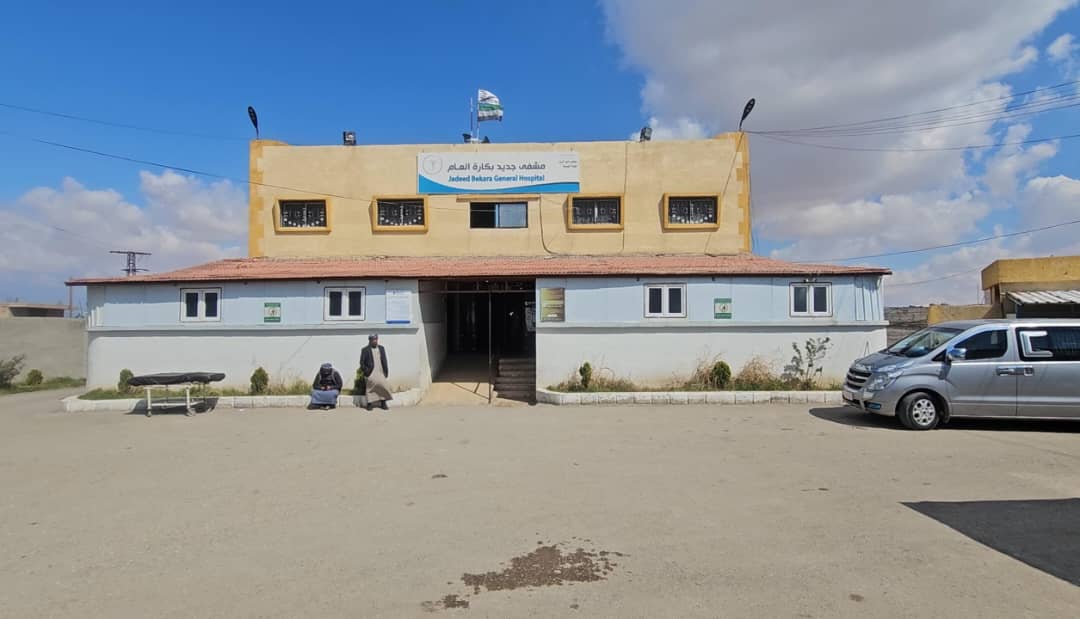
Jadid Bakara General Hospital in the eastern countryside of Deir Ezzor faces the risk of closure in the coming days, following the suspension of financial support that the institution relies on to operate its departments and provide its medical services, which raises fears of a worsening health crisis and the deprivation of thousands of civilians from basic care.
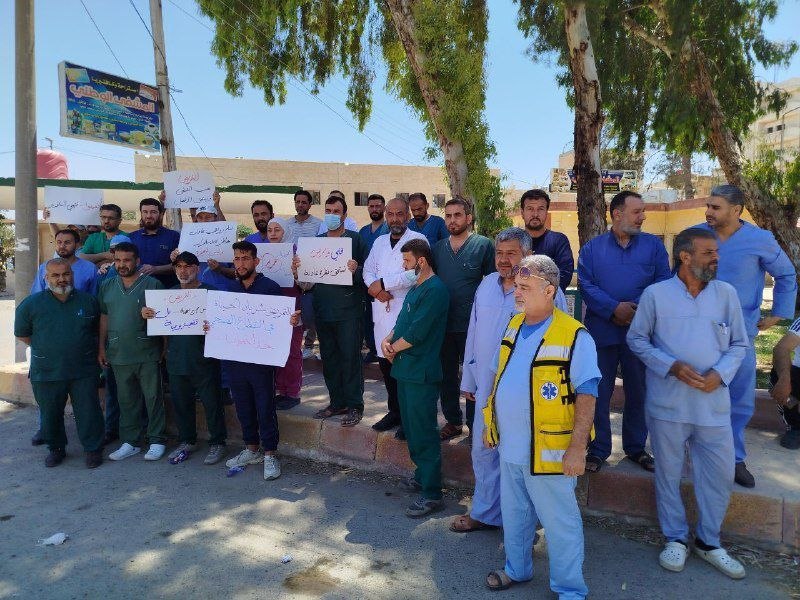
The hospital’s medical and administrative staff issued an urgent appeal to humanitarian organizations and donors to intervene quickly and save it from work stoppage, warning that March 15 could witness its doors being completely closed due to the severe shortage in funding and operational resources.
The hospital is one of the most prominent health facilities in the eastern countryside of Deir-Ezzor , serving a wide segment of the population extending from the town of Al-Hussan in the west, passing through a number of villages and towns, all the way to the city of Al-Shuhail in the east, in addition to the areas of Markada and Al-Shaddadi in the north of the governorate.
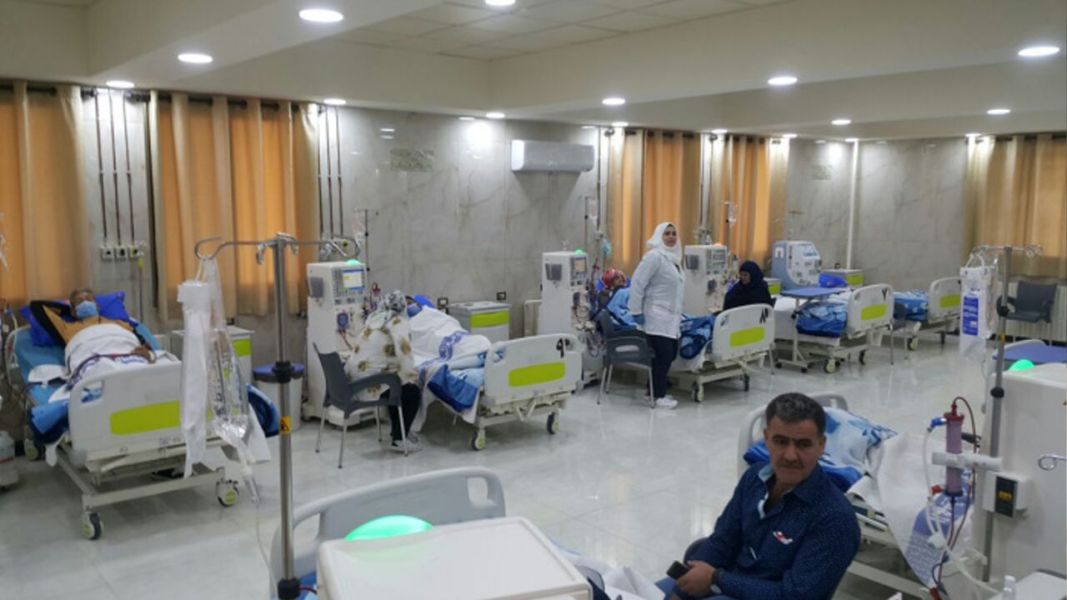
It receives approximately 400 patients and emergency cases daily, given the limited number of alternative medical centers.
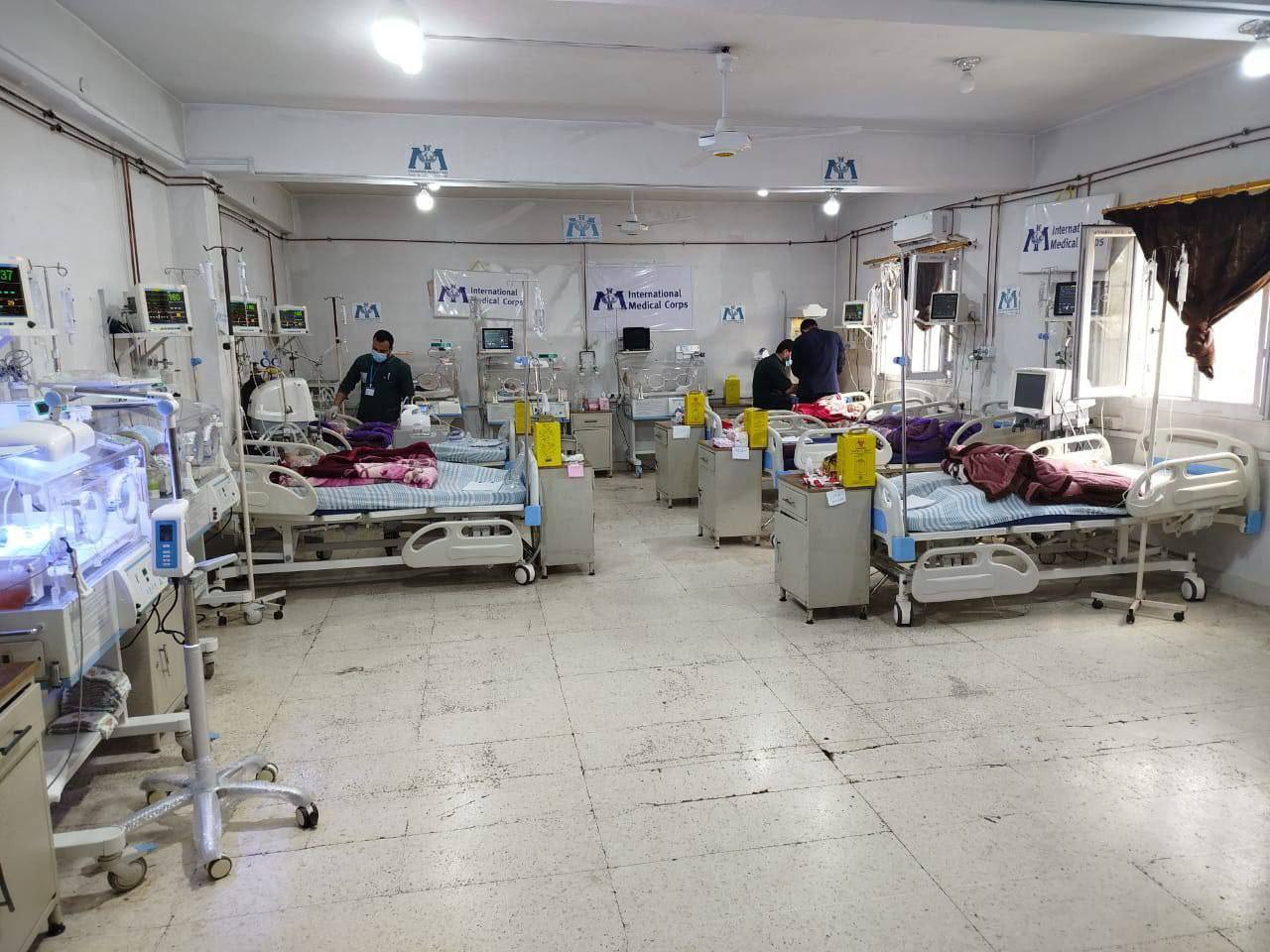
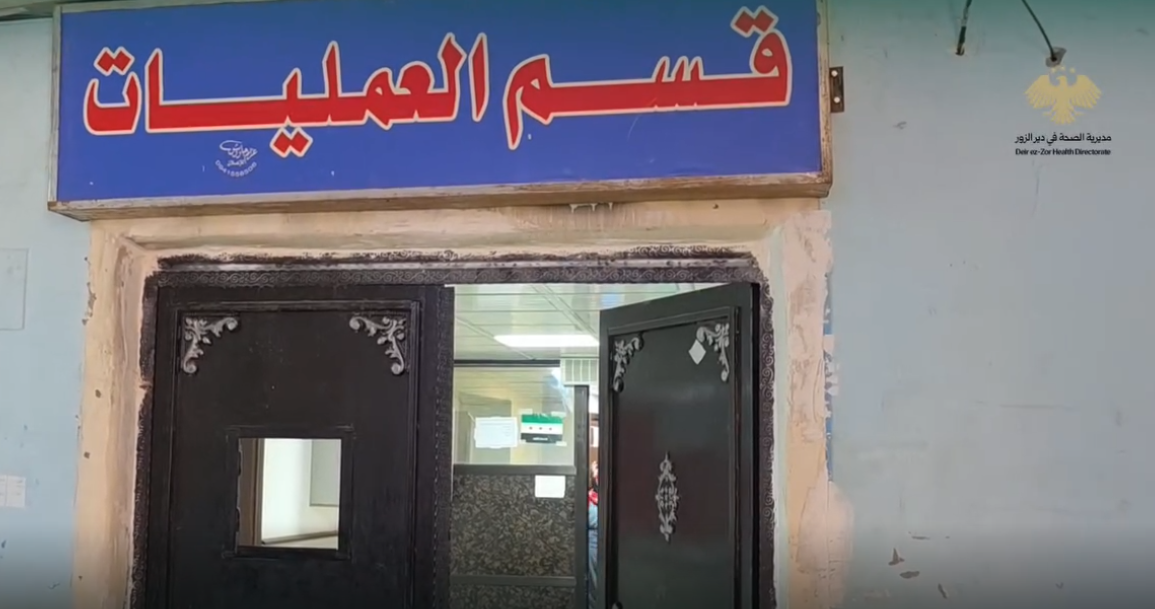
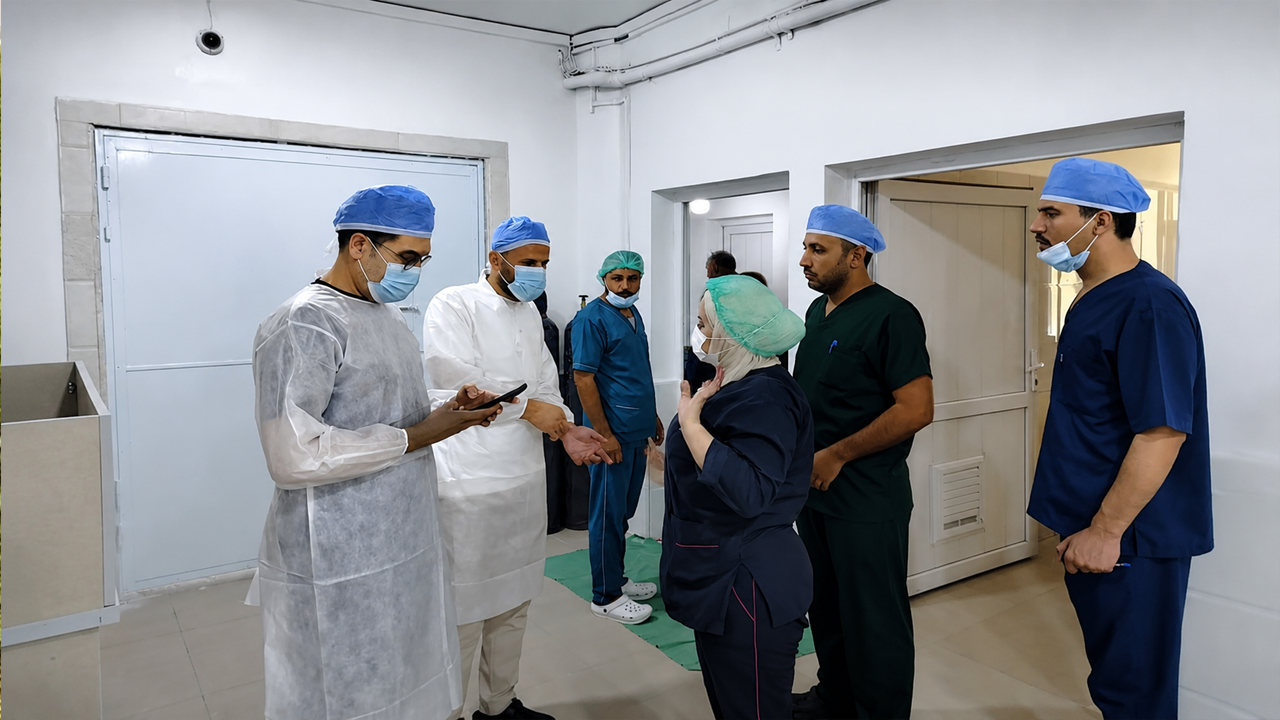
The hospital includes several basic departments, including incubators for neonatal care, general surgery, orthopedics, ear, nose and throat, in addition to emergency and outpatient clinics. Medical staff also perform daily surgeries, including up to 15 caesarean operations on some days, reflecting the great pressure on this medical facility.
Health sector workers warn that the hospital’s closure will force patients to travel long distances to reach Deir Ezzor to receive treatment, or resort to private hospitals with high costs, which will increase the burden on the residents in light of the difficult economic conditions.
The risk of closure comes at a time when the health sector in Deir-Ezzor Governorate is suffering from a significant deterioration as a result of years of war and a shortage of medical personnel and equipment, which has made access to specialized health services extremely difficult in rural areas.
Residents and hospital workers hope for a quick response from humanitarian and donor agencies to secure the necessary support and ensure the continued operation of this vital facility, on which thousands of civilians depend in the eastern countryside of Deir Ezzor