Iraqi Fire Crews Deploy to Syria as Wildfires Rage Along Mediterranean Coast
This post is also available in:  العربية
July 11, 2025 | Deir Ezzor, Syria In a rare show of cross-border cooperation amid a spiraling environmental crisis, a convoy of Iraqi firefighting units arrived in eastern Syria Friday en route to the country’s fire-stricken coastal region.
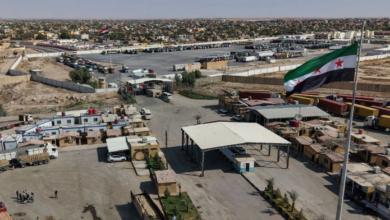
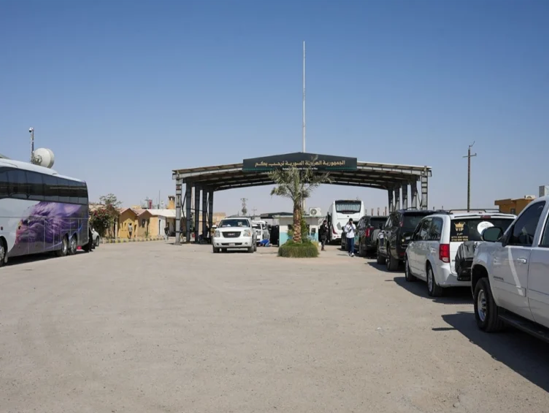
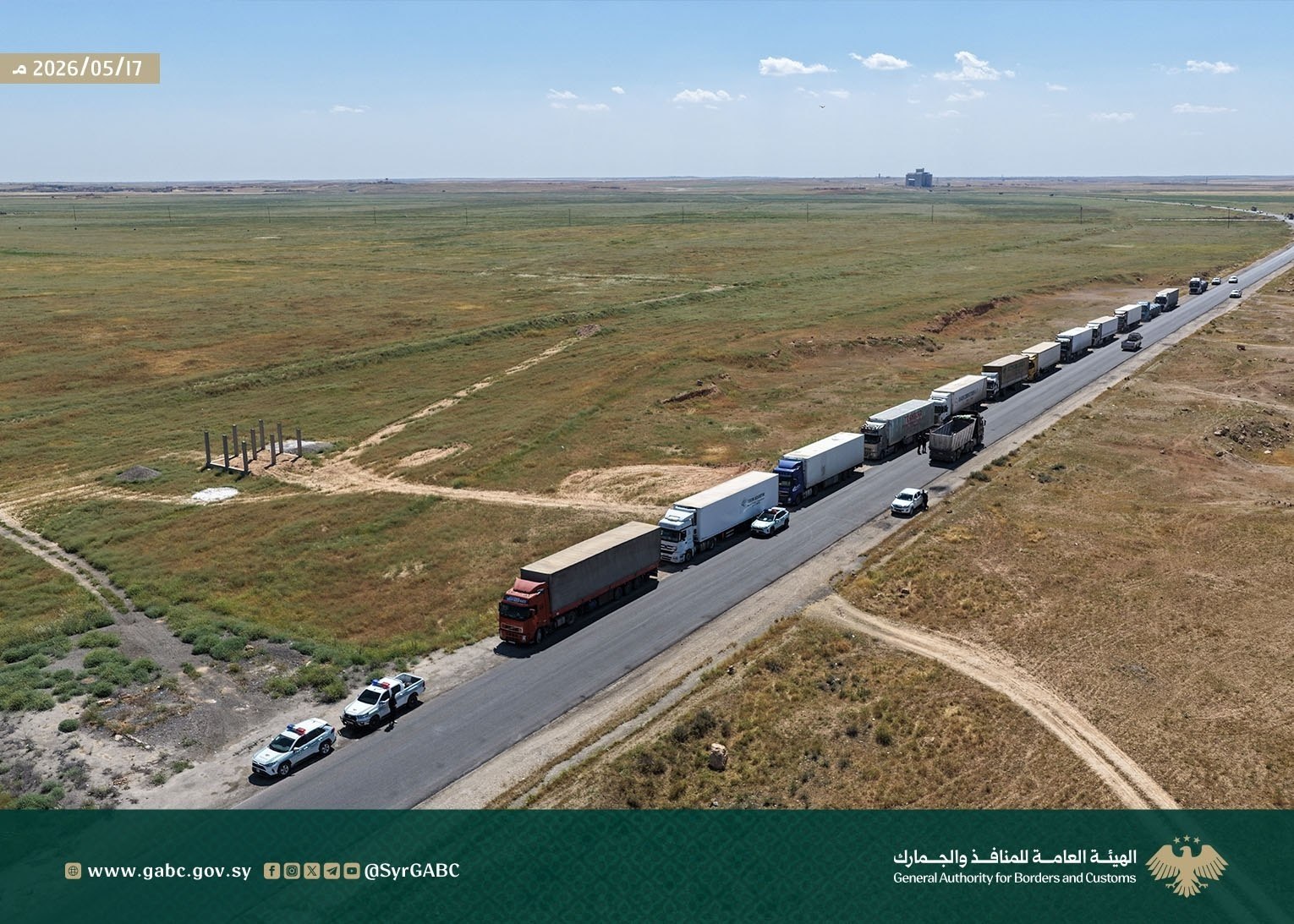
Roughly 25 Iraqi fire trucks and civil defense teams passed through the border city of Al-Bukamal in Deir Ezzor province, heading west toward Latakia, where fierce wildfires have scorched large swathes of mountainous terrain. Fueled by record-high temperatures and strong winds, the fires have spread rapidly across remote areas of the coastal countryside, overwhelming local response efforts.
According to Iraq’s Civil Defense Directorate, an additional 20 specialized firefighting units equipped with high-capacity water tanks and heavy machinery have been dispatched with the support of the Interior Ministry. The Iraqi deployment marks one of the most significant regional interventions since the fires began earlier this month.
Firefighting teams from Syria, Turkey, and Jordan have already been battling the flames in the rugged hills of Latakia, a region known for its dense forests and agricultural lands. Syrian authorities have struggled to contain the blazes, citing limited resources and the challenging topography.
Syria’s Ministry of Emergency Situations welcomed the Iraqi support, describing it as “a powerful gesture of Arab solidarity” and a testament to the enduring ties between Baghdad and Damascus. Officials said the incoming personnel and equipment will bolster efforts to prevent the fires from reaching more densely populated or agriculturally vital areas.
Sources familiar with the operation noted that the Iraqi mission follows a carefully coordinated logistical route, stretching from Deir Ezzor through central Syria to the coast a sign of close security and operational coordination between the two governments.
The full extent of the environmental and human toll remains unclear, but early reports suggest widespread destruction of farmland, forest reserves, and rural infrastructure. Humanitarian agencies warn that without swift containment, the fires could trigger displacement in already vulnerable communities.