Six irrigation sites in Deir Ezzor are to be rehabilitated with solar energy. A new step to support farmers and enhance the sustainability of agricultural production
This post is also available in:  العربية
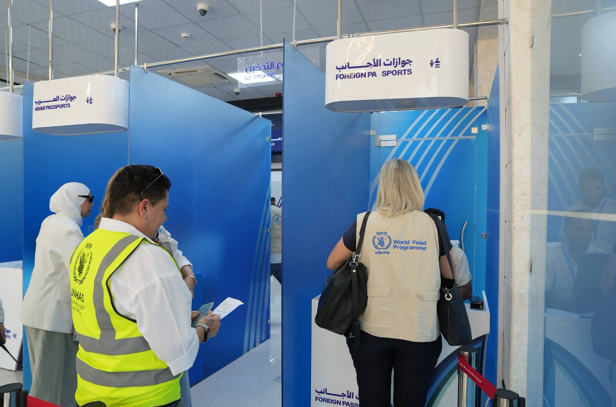
In a move aimed at enhancing the efficiency of the irrigation system and improving the state of the agricultural sector, the committee assigned by the Directorate of Agriculture in Deir Ezzor Governorate handed over six irrigation sites and associations to the World Food Program (WFP), in preparation for launching the rehabilitation of the infrastructure and installing modern solar energy systems, which will contribute to improving irrigation services and providing sustainable energy sources that reduce the operational burdens placed on farmers.
This step comes within the framework of efforts aimed at developing the agricultural infrastructure in the governorate, especially irrigation facilities and installations, which constitute one of the basic components for the continuation of agricultural activity, and improving the efficiency of the use of water and energy resources, which will positively reflect on the stability of agricultural production and support the livelihoods of families working in the agricultural sector.
The handover process included six sites distributed across a number of areas and towns in Deir Ezzor Governorate:
Maadan Atiq Municipality: Maadan Atiq Association, the area benefiting from its services is about 1,800 dunams, and serves 150 families.
Al-Qasabi town: The Western Reform Association, with an area of 1,500 dunams serving 250 families, and the Eastern Reform Association, with an area of 800 dunams serving 150 families, in addition to the Surah Association, with an area of 700 dunams and 700 families benefiting from its services.
Al Khorita Town: Hawi Al Khorita Agricultural Association, with an area of 3,500 dunams and serving 400 families, in addition to the Al Wasl site.
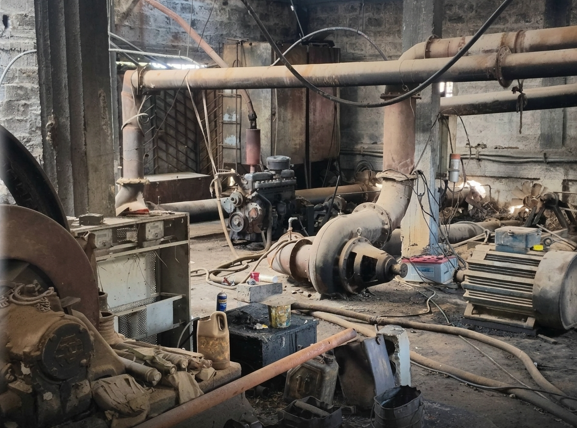
The rehabilitation and installation of solar energy systems is expected to contribute to improving the readiness of irrigation facilities and raising their operating efficiency, by providing an alternative and sustainable energy source, and reducing dependence on traditional energy sources and the accompanying costs and operational burdens, which helps farmers secure their agricultural lands’ needs for irrigation water in a more stable manner.
In a related context, the Agriculture Directorate will conduct periodic field tours to follow up on the project implementation stages, supervise the work, and ensure that it proceeds according to the approved plans and specifications, in a way that ensures the proper implementation of the rehabilitation work and the achievement of the desired objectives.
These projects are of particular importance in the targeted agricultural areas, given the vital role irrigation associations and sites play in securing water for cultivated lands. Improving their technical and operational performance is a key factor in helping farmers continue their agricultural activities and reducing risks that may affect production seasons.
The cooperation between the Directorate of Agriculture and the World Food Program also reflects a trend towards strengthening partnerships in supporting agricultural communities and developing basic services related to production, with a focus on renewable energy solutions as a practical option to enhance the sustainability of irrigation projects in the targeted areas.
Between rehabilitating the infrastructure and employing solar energy to operate irrigation facilities, this initiative constitutes an important step towards improving the agricultural reality in Deir Ezzor, reducing the burdens on farmers, and enhancing the ability of local communities to face production challenges, in a way that supports the stability and long-term sustainability of the agricultural sector.