
This post is also available in:
 العربية
Deir Ezzor is witnessing a worsening traffic crisis on the earthly bridge linking the two banks of the Euphrates River, in a daily scene that becomes more complex with the escalation of movement between the two sides of the city, especially with the advent of the month of Ramadan and simultaneously with the university exams period, which doubles the suffering of residents and students alike.
Residents suffer from intensive congestion during the early morning hours, as vehicles pile up at the entrances to the bridge and around it, amidst extremely slow traffic, which leads to employees and students being late for work and universities.
A number of students are forced to leave the transport and continue on foot over the bridge to overcome the congestion and reach the exam halls on time, before completing their journey by other means of transport.
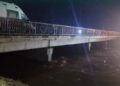
The earthy bridge is a vital path for daily transportation, as it connects residential neighborhoods with service and educational centers on both sides of the river, making it a major crossing point for thousands of residents daily. However, its limited capacity, the increasing number of vehicles, and damaged infrastructure have contributed to the crisis worsening and turning it into a continuous traffic jam.
In an attempt to alleviate congestion, local authorities announced the opening of a military bridge in the nearby town of Al-Mraiyeh, with the aim of distributing traffic and relieving pressure on the earthy bridge. This step comes as part of emergency measures to secure temporary alternatives and improve the status of mobility until more sustainable solutions are found.
Despite these measures, the traffic crisis still represents a daily challenge for the residents of Deir Ezzor, in light of the need for integrated infrastructure projects capable of accommodating the increasing traffic density and improving the transportation conditions between the two banks of the Euphrates, in a way that reduces living burdens and enhances service stability in the city.