
This post is also available in:
 العربية
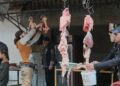
Since the beginning of Ramadan, local markets have witnessed a noticeable rise in food prices, especially red meat and poultry, which has put a large segment of citizens facing a difficult consumption equation, at a time when most economic indicators indicate relative stability.
Commodity prices recorded a clear jump as the month entered, with red meat and poultry leading the rise. Ironically, these increases were not accompanied by tangible changes in production costs, as the dollar exchange rate remained stable, and the diesel price remained stable.
Before Ramadan, the markets were witnessing a state of relative stability, and were even described at the time as good and acceptable compared to what is happening now.
Citizens express their surprise at this sudden increase, stressing that prices were within reach before Ramadan, and that what is happening does not reflect the reality of real costs, but rather seems closer to exploiting people’s needs in a month in which demand for purchases increases. Observers point out that the current increases have exceeded the normal limits of seasonal demand during Ramadan, which in previous years justified only slight increases.
The wave of high prices also affected most components of the food basket, reflecting an imbalance in market control mechanisms. Citizens confirm that the weakness of food control has encouraged some commercial activities to exaggerate pricing, calling on the relevant authorities to intervene to control violations and deter violators.
On the other hand, some traders attribute the increase to the increase in demand associated with the nature of the holy month, but observers question this justification, stressing that the volume of supply of goods is good and does not justify these large jumps. They believe that what is happening represents a case of “random pricing” that exploits consumers’ need to achieve exceptional profits at the expense of their purchasing power.
As the holy month continues, citizens find themselves facing daily rising price lists, amid anticipation of serious action by regulatory authorities to control the markets.
Experts confirm that addressing this phenomenon is not limited to temporary food supply campaigns, but rather requires reviewing control mechanisms and enhancing transparency, in a way that ensures a balance of interests between the merchant and the consumer, and prevents religious occasions from turning into seasons of commercial exploitation.