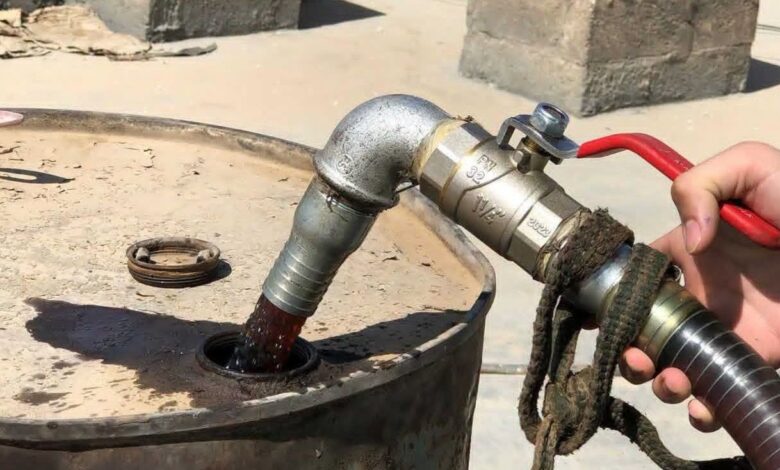
Heating diesel starts from Al-Houl area… Prices raise concerns for low-income families
This post is also available in:  العربية
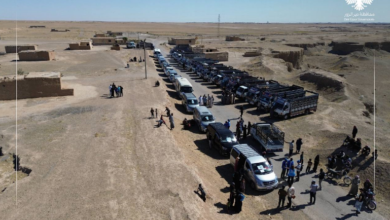
The concerned authorities in Al-Hasakah Governorate have begun distributing heating diesel for the current season, starting from the Al-Houl area and the southern neighborhoods, at a rate of 200 liters per house, according to what was announced by a member of the Executive Office of the Energy Sector, Nawar Mahmoud Sabry, who confirmed that the distribution process will continue successively to include the rest of the areas.
According to the announced price, the price of one liter is 11,500 S. P. The equivalent of 115 new Syrian pounds, which raises the cost of household allowances to 2.3 million Syrian pounds, excluding additional transportation fees, if any. This amount poses new economic challenges for families, especially those with limited income, as winter approaches and the need for heating increases.
This cost raises questions about the ability of families to secure their full allowances, in light of the difficult living conditions and declining purchasing power, as some families may be forced to reduce the quantity purchased or look for less expensive alternatives, despite the difficulties that may result from this in facing the drop in temperatures.
While the distribution process has begun in a number of areas, the details of its completion in the rest of the governorate’s neighborhoods are still unclear, as specific dates have not yet been announced for the allocations to reach all areas, nor are the registration and receipt mechanisms clear, or the possibility of adopting payment facilities for the most needy families.
Between the urgent need to secure heating and the high cost of diesel, the most prominent challenge facing the concerned authorities remains ensuring that allocations reach all families in a fair and regular manner, in parallel with searching for mechanisms that reduce the financial burdens on the most vulnerable families, so that heating allocations do not turn into a burden beyond their ability to bear.