Between the high cost of diesel and the delay in dues.. Hasakah farmers are unable to prepare their lands
This post is also available in:  العربية
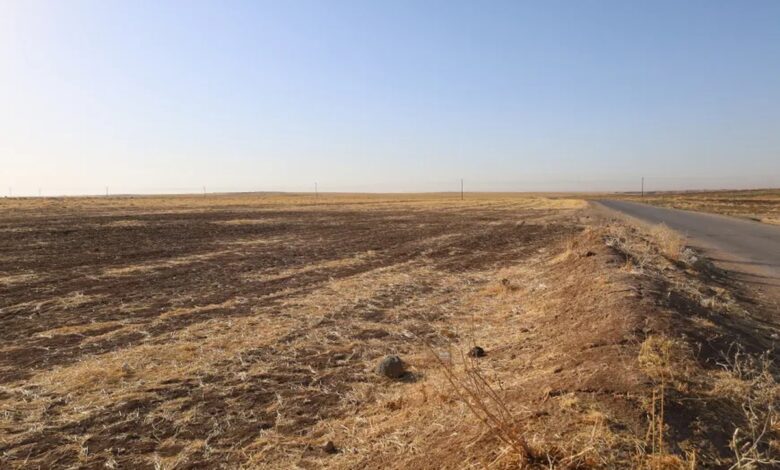
Farmers in Hasakah Governorate are facing increasing difficulties with the start of the fall agricultural season, in light of the high costs of plowing and fuel, the high prices of seeds, in addition to the continued delay in disbursing their financial dues for the wheat crop for last season, which puts them in front of financial challenges that hinder their ability to prepare and cultivate their lands in a timely manner.
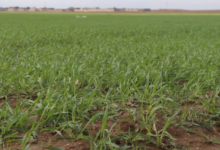
These conditions are directly reflected in the farmers’ preparations for the new season, as some of them have been forced to reduce the areas they intend to cultivate, while others are still unable to start plowing and sowing work, due to the lack of financial liquidity and the high prices of production requirements.
A number of farmers point out that the fuel crisis constitutes one of the most prominent obstacles to the start of the season, with the rise in diesel prices and the difficulty of securing it, which has led to the disruption of agricultural tractor work and the delay in plowing the lands.
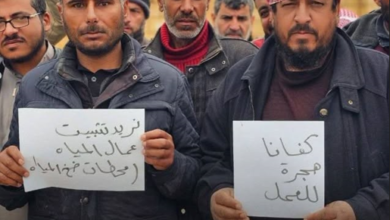
Farmers are demanding the need to expedite the payment of dues or provide invoices that allow them to obtain production requirements, which will help them complete the preparation of their lands.
These challenges raise concerns about delayed planting operations and a decline in cultivated areas during the fall season, which could affect the volume of agricultural production, especially wheat and vegetable crops, in a governorate where a large segment of the population depends on agriculture as their main source of livelihood and income.
Between the rise in fuel and seed prices and the delay in dues, Hasakah farmers find themselves facing a season fraught with difficulties, at a time when the need to provide production requirements at reasonable prices is increasing, and to accelerate the disbursement of last season’s dues, to avoid more land being excluded from the agricultural process.